This compound requires bacteriostatic water for reconstitution
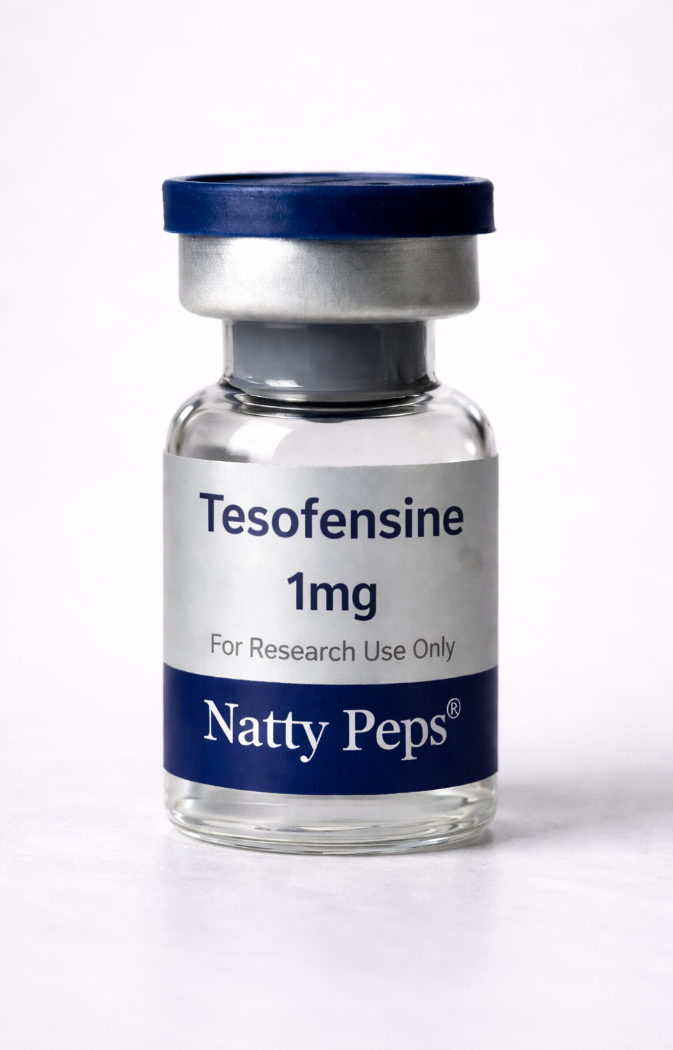
Tesofensine
$280.99
Tesofensine is a synthetic compound widely utilized in laboratory research for the study of monoamine reuptake inhibition, neurotransmitter signaling pathways, and central nervous system regulation. It is commonly investigated for its interaction with dopamine, serotonin, and norepinephrine transporters, allowing researchers to analyze their combined influence on neural communication, signaling efficiency, and regulatory feedback mechanisms in controlled experimental models.
In research environments, Tesofensine is used to explore pathways related to neurotransmitter modulation, synaptic activity, and central signaling processes that influence behavioral and metabolic regulation. Its multi-target mechanism makes it valuable for studying coordinated neurotransmitter interactions and downstream cellular responses. This compound is also of interest in broader research focused on neurochemical pathway integration, receptor activity, and central nervous system signaling across repeatable laboratory protocols.
Reconstitution (For Research Reference Only):
Add 2mL of bacteriostatic water to achieve a concentration of 10mg/mL. At this concentration, each 0.1mL (10 units on a standard insulin syringe) corresponds to 1mg of compound. This information is provided strictly for laboratory research standardization and measurement purposes.
This product is supplied in lyophilized (freeze-dried) form within a sealed vial to ensure stability and precision in handling. It is intended exclusively for laboratory research, analytical, and educational purposes and is not approved for—and must not be used for—human or animal consumption.
| Dosage | 1mg x10 |
|---|---|
| Purity | Purity:99.5% |
| More info | For Full COA and Purity Test Results, Email us nattypeptidesmain@gmail.com |